
Can Shower Water Trigger Eczema Flare-Ups?
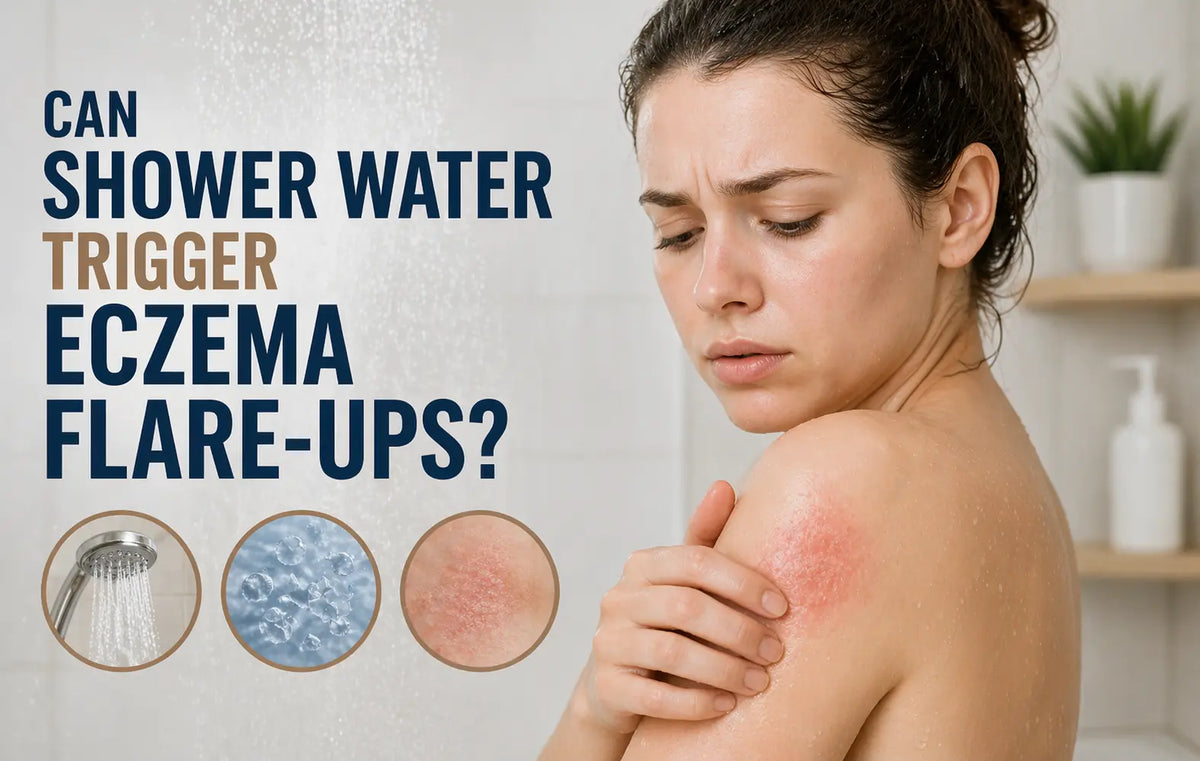
Hard water eczema is a growing concern for many households across the USA, especially for people who notice irritation after showering. If your skin feels itchy, inflamed, or uncomfortable right after stepping out of the shower, your water quality and routine may be part of the problem. Many homeowners upgrading to modern shower solutions are now paying closer attention to how their shower environment affects sensitive skin.
What Is Eczema and Why Is Skin So Sensitive?
Eczema is a condition where the skin becomes inflamed, dry, and prone to irritation. It weakens the skin barrier, making it harder to retain moisture and protect against external triggers.
Why eczema-prone skin reacts easily
-
The skin barrier is already compromised
-
Moisture escapes faster than normal
-
External irritants penetrate more easily
-
Even small triggers can cause flare-ups
This is why everyday activities like showering can sometimes make symptoms worse instead of better.
How Shower Water Can Affect Eczema-Prone Skin
Shower water may seem harmless, but several factors can trigger or worsen eczema symptoms.
Key ways water impacts your skin
1. Mineral content in hard water
Hard water contains calcium and magnesium that leave residue on your skin. This buildup can:
-
Block moisture absorption
-
Interfere with soap rinsing
-
Increase dryness and irritation
2. Chlorine and water treatment chemicals
In many US cities, water is treated with chlorine, which can strip natural oils from your skin and lead to further sensitivity.
3. Water temperature
Hot showers may feel relaxing, but they:
-
Remove essential oils
-
Increase inflammation
-
Trigger itching
Over time, these factors contribute to recurring flare-ups, especially if your skin is already sensitive.
Common Shower-Related Triggers That Worsen Eczema
Sometimes it is not just the water itself but how you shower that makes a difference.
Triggers to watch out for
-
Long, hot showers
-
Harsh soaps or body washes
-
Scrubbing too aggressively
-
Not rinsing off products completely
-
Poor water quality
Even small habits can have a cumulative effect on your skin.
How Hard Water Makes Eczema Worse Over Time
Hard water eczema becomes more noticeable when exposure is consistent. The minerals in hard water gradually damage the skin barrier.
Long-term effects include
-
Persistent dryness
-
Increased itching and redness
-
Flaky or rough skin texture
-
Reduced effectiveness of moisturizers
When your skin cannot absorb hydration properly, it struggles to recover, leading to frequent flare-ups.
Best Shower Practices for Managing Eczema
Making a few adjustments to your shower routine can significantly reduce irritation.
Simple habits that help
1. Keep showers short
Aim for 5 to 10 minutes to avoid overexposure to water.
2. Use lukewarm water
This helps protect your natural oils while still keeping your skin clean.
3. Choose gentle cleansers
Look for fragrance-free and non-irritating products designed for sensitive skin.
4. Pat dry instead of rubbing
Use a soft towel and gently pat your skin to avoid friction.
5. Moisturize immediately
Apply a hydrating cream within minutes of stepping out of the shower to lock in moisture.
How to Protect Your Skin from Water-Related Irritation
If your shower routine is triggering eczema, you can take additional steps to protect your skin.
Practical solutions to consider
Upgrade your shower environment
Many homeowners exploring frameless shower doors and bathroom upgrades are also improving water quality to support skin health.
Install a shower filter
Filters can reduce chlorine and some mineral content, making water gentler on your skin.
Maintain a clean shower space
A well-designed and easy-to-clean shower reduces buildup of residue and bacteria that can irritate sensitive skin.
Use barrier-repair products
These help strengthen your skin over time and reduce sensitivity to external triggers.
Signs Your Shower Routine Is Causing Flare-Ups
It is not always obvious that your shower is the cause of your eczema symptoms.
Look for these warning signs
-
Itching immediately after showering
-
Red patches appearing post-shower
-
Skin feeling tight or burning
-
Increased dryness despite moisturizing
-
Frequent flare-ups without clear cause
If these symptoms happen regularly, your shower routine or water quality may need attention.
Why Your Shower Setup Plays a Bigger Role Than You Think
Your shower is part of your daily routine, and small improvements can make a big difference over time. A well-designed shower setup supports better hygiene, easier cleaning, and a more controlled environment for sensitive skin.
Upgrading your bathroom with solutions from Unchemed helps create a cleaner and more efficient space. When paired with better water practices, it can reduce irritation and improve overall skin comfort.
Protect Your Skin with Smarter Shower Habits
Shower water can absolutely trigger eczema flare-ups when factors like hard water, temperature, and harsh products come into play. The problem builds over time, leading to discomfort, dryness, and ongoing irritation.
The good news is that simple changes can help. Adjusting your shower habits, improving water quality, and upgrading your bathroom setup can all contribute to healthier skin. If you are already planning a bathroom upgrade, it is the perfect opportunity to create a space that supports both comfort and skin health.
Start making small improvements today to reduce hard water eczema and enjoy a more comfortable daily routine.
FAQs
1. Can shower water cause eczema flare-ups?
Yes, factors like hard water, chlorine, and hot temperatures can irritate sensitive skin and trigger eczema flare-ups.
2. Is hot water bad for eczema?
Hot water strips natural oils and increases inflammation, which can worsen dryness and itching.
3. Does hard water make eczema worse?
Yes, mineral buildup from hard water can damage the skin barrier and increase irritation over time.
4. How long should you shower if you have eczema?
Short showers of 5 to 10 minutes with lukewarm water are recommended to reduce skin irritation.
5. What type of soap is best for eczema-prone skin?
Fragrance-free, gentle cleansers designed for sensitive skin are the best option.
6. Can a shower filter help with eczema?
Yes, a shower filter can reduce chlorine and some impurities, making water less irritating for sensitive skin.