
How Does Hard Water Damage Your Hair?
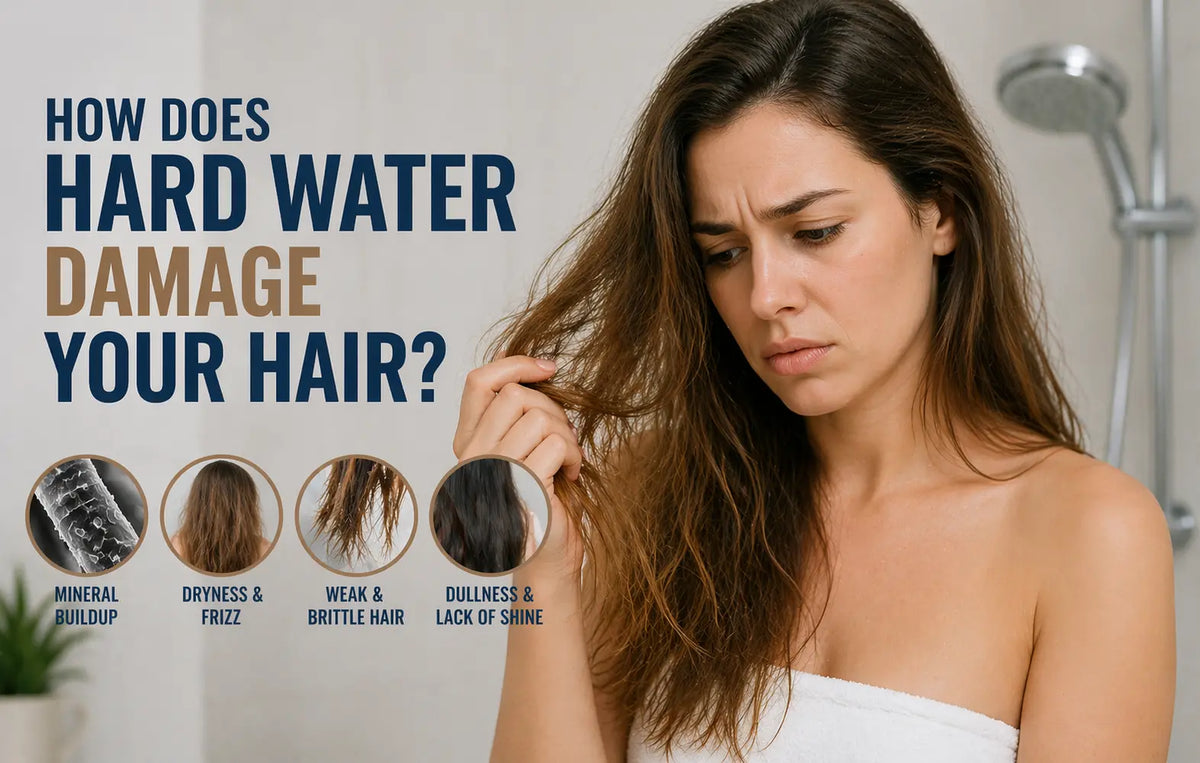
Hard water hair damage is one of the most overlooked reasons behind dry, dull, and unmanageable hair. If your hair feels rough after washing or refuses to stay smooth despite using good products, your water quality could be the hidden issue. Many homeowners investing in modern bathroom upgrades are now realizing that hair health is directly connected to their shower environment.
What Is Hard Water and What Does It Contain?
Hard water contains high levels of minerals such as calcium and magnesium. While these minerals are safe for consumption, they can create challenges when they come into contact with your hair and scalp.
What happens when you wash your hair with hard water
-
Minerals stick to the hair shaft
-
Residue builds up over time
-
Shampoo does not rinse out completely
-
Hair becomes harder to manage
This buildup forms a layer on your hair, preventing moisture from entering and making it feel dry and heavy.
Hard Water vs Soft Water: What’s Better for Your Hair?
Understanding the difference between hard and soft water can explain why your hair behaves differently in various locations.
Hard Water
-
Leaves mineral deposits on hair
-
Causes dryness and frizz
-
Reduces shine and softness
-
Makes hair harder to style
Soft Water
-
Rinses cleanly without residue
-
Helps retain natural moisture
-
Enhances shine and smoothness
-
Improves manageability
Soft water allows your hair to absorb moisture and nutrients more effectively, which is why it feels smoother after washing.
How Hard Water Affects Hair Structure and Health
Hard water does more than just sit on the surface. Over time, it affects the structure of your hair.
Key impacts on hair health
1. Weakens the hair cuticle
The outer layer of your hair becomes rough and lifted, making it more prone to damage.
2. Causes dryness
Mineral buildup blocks moisture from entering the hair shaft.
3. Leads to breakage
Dry and brittle hair is more likely to snap during brushing or styling.
4. Affects scalp health
It can lead to dryness, itching, and buildup on the scalp.
These changes happen gradually, which is why many people do not immediately connect them to water quality.
Why Hard Water Makes Hair Care Products Less Effective
If you feel like your shampoo or conditioner is not working anymore, hard water could be the reason.
Here’s why
-
Minerals prevent proper lathering
-
Products do not rinse out completely
-
Residue blocks absorption of nutrients
-
You end up using more product with less result
This leads to frustration and unnecessary spending on products that cannot perform well under these conditions.
Common Signs of Hard Water Damage in Hair
Not sure if hard water is affecting your hair? These signs can help you identify the problem.
Watch for these symptoms
-
Hair feels rough or sticky after washing
-
Lack of shine or dull appearance
-
Increased tangling and frizz
-
Dry scalp or flakes
-
Hair color fading faster than usual
If you notice these consistently, your water may be the root cause.
How to Protect Your Hair from Hard Water Damage
The good news is that you can take simple steps to reduce the effects of hard water on your hair.
Effective solutions to try
1. Use a clarifying shampoo occasionally
This helps remove mineral buildup and restore your hair’s natural texture.
2. Deep condition regularly
Hydration treatments can help counter dryness caused by mineral deposits.
3. Rinse with filtered or treated water
Even partial improvement in water quality can make a difference.
4. Upgrade your shower setup
Many homeowners exploring frameless shower doors and shower upgrades are also improving water conditions for better hair and skin health.
5. Install a shower filter
A filter can reduce mineral content and improve overall water quality.
Why Your Shower Setup Matters for Hair Health
Your daily shower routine plays a major role in how your hair looks and feels. A clean, well-designed shower environment helps reduce buildup and improves your overall experience.
Upgrading your bathroom with solutions from Unchemed allows you to create a space that supports both comfort and functionality. When combined with better water practices, it can help maintain healthier, more manageable hair.
Take Control of Your Hair Health
Hard water hair damage can slowly affect your hair without you realizing it. From dryness and breakage to dullness and buildup, the impact becomes more noticeable over time.
The solution is not always changing your products. Sometimes, it is about improving your environment. By adjusting your shower routine, using the right treatments, and upgrading your bathroom setup, you can protect your hair and restore its natural shine.
Start making small changes today to reduce hard water hair damage and enjoy softer, healthier hair every day.
FAQs
1. Can hard water damage your hair permanently?
Hard water damage is usually not permanent. With proper care and removal of buildup, your hair can regain its natural health and texture.
2. How do I know if hard water is affecting my hair?
Signs include dryness, dullness, tangling, and residue buildup that makes hair feel rough after washing.
3. Does hard water cause hair loss?
It does not directly cause hair loss, but it can weaken hair strands, leading to breakage.
4. Why does my hair feel rough after washing?
Mineral deposits from hard water create a coating on the hair, making it feel dry and uneven.
5. Can using a shower filter improve hair health?
Yes, a shower filter can reduce mineral content and help improve moisture retention and softness.
6. What is the best way to remove hard water buildup from hair?
Using a clarifying shampoo along with deep conditioning treatments is one of the most effective ways to remove buildup and restore hair health.